This may be an uncomfortable post. It certainly was uncomfortable for me to write.
Recently, I read a BBC article about young adults in China who are turning to “virtual parents” on social media. Not because they want new parents, but because they want to hear words they feel they’ve been missing.
Things like:
“Don’t push yourself too hard.”
“I’m proud of you.”
“You’re doing your best.”
“Are you happy?”
Essentially, these young people are searching for encouragement rather than criticism.
Very few parents deliberately set out to become emotionally disconnected from their children but sometimes, without even realising it, life gets in the way. This story may be happening in China, but I don’t think it’s just a story about China. I think it’s relevant to all of us.
When Life Gets in the Way
I have yet to meet a parent who doesn’t love their child. Most parents are doing everything they can while juggling work, finances, family life, their own wellbeing and about a hundred other things. Parenting has never been easy, and it certainly isn’t now.
But life is busy.
Our conversations with our children can easily become about homework, getting out of the door on time, screen time, behaviour, revision, appointments and everything else that needs doing.
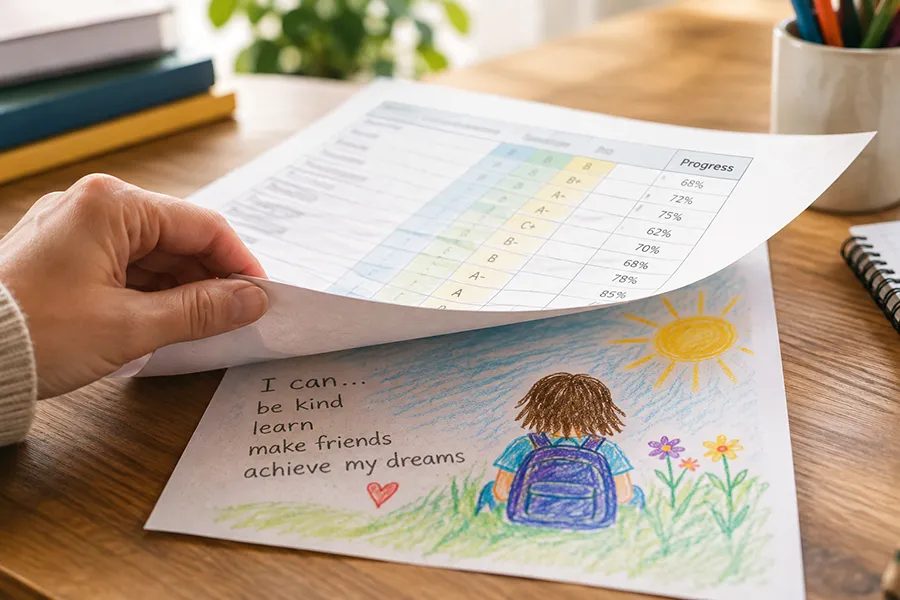
Sometimes we spend so much time helping our children improve that we forget to remind them they’re already enough.
Children Hear More Than We Realise
At Emotionally Healthy Minds, we sometimes meet children who genuinely believe they’re “not clever”, “always getting it wrong” or “a disappointment”. When you spend time getting to know them, you realise those beliefs haven’t appeared overnight. They’ve often developed quietly over months or years.
The sad thing is that many of those children have wonderful parents who would be heartbroken to know that’s how their child feels.
Children don't always hear what we mean
They hear what they experience.
If most conversations are about what needs improving, it’s easy for a child to start believing that they are never quite good enough, even when that was never the message their parents intended to send.
The Power of Simple Words
The BBC article ended with one young man saying that hearing a little warmth from strangers online was “better than nothing.” I found that incredibly sad.
It reminded me just how powerful our words are.
A simple…
“I’m proud of you.”
“I’m glad you’re here.”
“You tried really hard. Well done.”
“I love spending time with you.”
…can stay with a child for years.
So can the absence of them.
A Gentle Reminder
None of us will get parenting right all the time. I certainly don’t and I don’t believe it’s even possible.
But perhaps this article is a gentle reminder that, amongst the school runs, homework battles, packed lunches and busy evenings, we should never underestimate the power of letting our children know that they are loved exactly as they are.
Keep telling your child that you love them.
Keep noticing the effort, not just the outcome.
Keep reminding them that they are enough.
Those words are far more powerful than we sometimes realise.
Helping your child feel loved, confident and understood
Sometimes children need a little extra support to recognise their strengths, understand their emotions and believe in themselves.
At Emotionally Healthy Minds, we help children and young people build confidence, self-esteem and emotional resilience through personalised emotional support and emotionally informed tutoring.
We also support parents and carers to better understand their child’s emotional needs and find ways to help them thrive.
Read the full BBC article here:
Vincent’s parents ‘never say he’s good enough’ – so he turned to a middle-aged couple online